By dii.vyyyyyyy@gmail.com / July 27, 2026
Agriculture is more than just growing crops—it’s about using the right tools and products at the right time. Whether you own a small farm or manage a large orchard, choosing quality agricultural products can make a huge difference in crop health, production, and profits.
Today’s farmers have access to advanced farming solutions, from high-quality seeds and balanced fertilizers to bio-products and crop protection chemicals. These products help improve soil fertility, protect crops from pests and diseases, and increase overall productivity.
In this guide, you’ll learn what agricultural products are, the different types available, their benefits, and how they support modern farming. If you’re a fruit grower, vegetable farmer, or orchard owner, this article will help you understand which products are essential for healthy crops and higher yields.

What Are Agricultural Products?
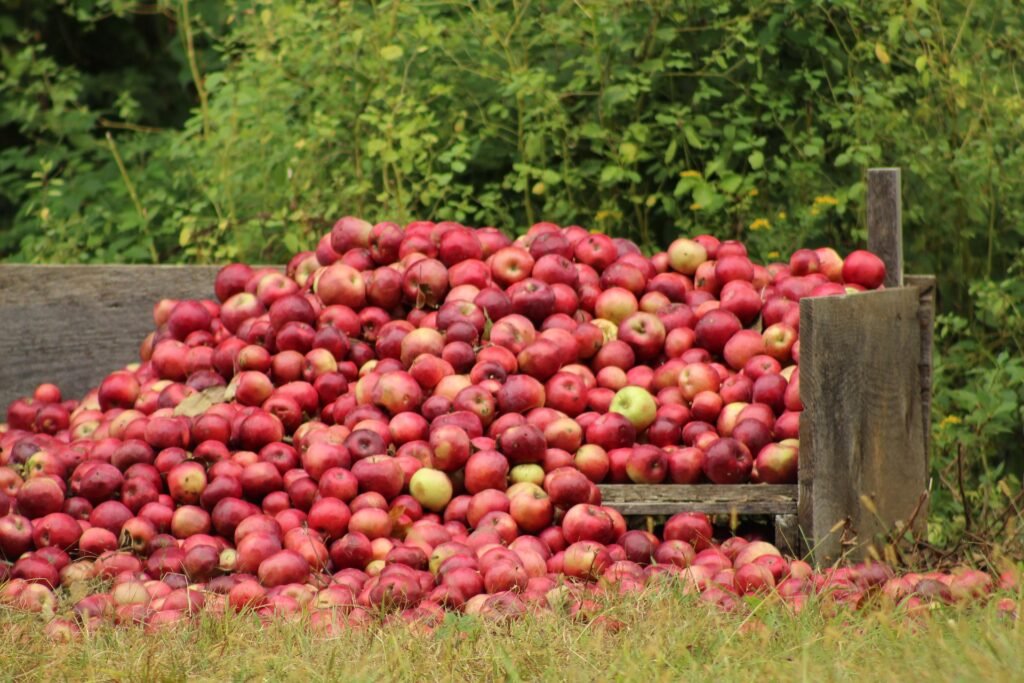
Agricultural products are the materials, inputs, and supplies used by farmers to grow healthy crops and improve farming results. They help plants receive proper nutrition, protect them from insects and diseases, and support healthy growth throughout the season.
These products are used at different stages of farming—from preparing the soil to harvesting the final crop.
Some agricultural products are made from natural ingredients, while others are developed using modern agricultural research to solve specific farming challenges.
Why Are Agricultural Products Important?
Using the right agricultural products helps farmers:
- Increase crop production
- Improve fruit and vegetable quality
- Reduce crop losses caused by pests and diseases
- Improve soil health
- Use water and nutrients more efficiently
- Earn better profits from every harvest
Without proper agricultural inputs, even fertile land may not produce its full potential.
Types of Agricultural Products
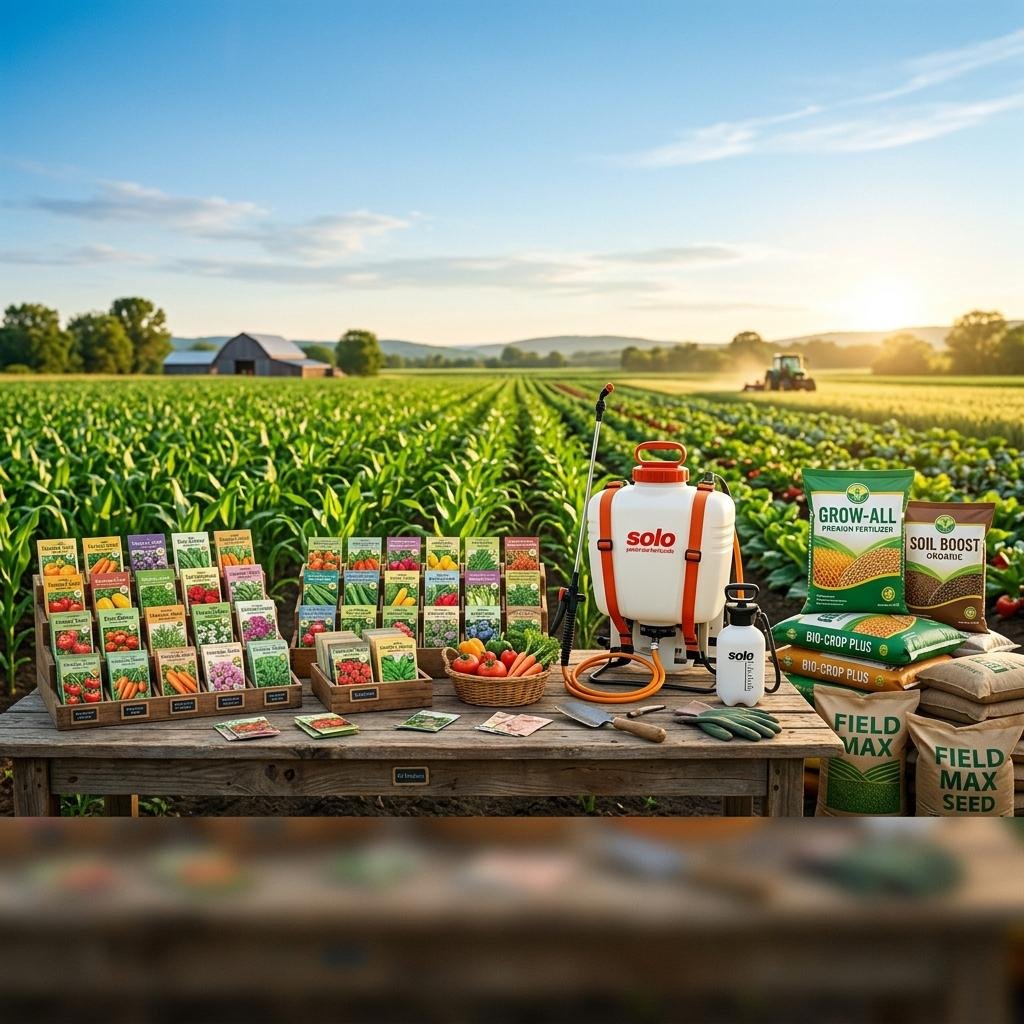
Different crops require different farming inputs. Below are the major categories of agricultural products used in modern farming.
1. Seeds
Seeds are the foundation of every successful crop. Healthy, disease-free, and high-quality seeds lead to better germination and stronger plants.
Common seed types include:
- Hybrid seeds
- Vegetable seeds
- Fruit crop seeds
- Open-pollinated seeds
- Certified seeds
Benefits
- Better germination
- Uniform crop growth
- Higher production
- Improved disease resistance
2. Fertilizers
Fertilizers provide plants with the nutrients they need for healthy growth. They replace nutrients that crops naturally remove from the soil.
Popular fertilizers include:
- NPK Fertilizers
- Water-soluble fertilizers
- Organic fertilizers
- Granular fertilizers
- Liquid fertilizers
Main Plant Nutrients
| Nutrient | Role in Plants |
|---|---|
| Nitrogen (N) | Green leafy growth |
| Phosphorus (P) | Strong roots and flowering |
| Potassium (K) | Fruit quality and disease resistance |
Applying the right fertilizer at the correct growth stage helps plants grow faster and produce better-quality fruits and vegetables.
3. Micronutrients
Plants need small amounts of micronutrients, but they play a major role in crop development.
Important micronutrients include:
- Zinc
- Boron
- Calcium
- Iron
- Magnesium
- Manganese
Benefits
- Better flowering
- Improved fruit setting
- Stronger plant structure
- Better color and size of fruits
- Reduced nutrient deficiencies
Micronutrients are especially important in fruit crops such as apples, citrus, mangoes, and pomegranates.
4. Crop Protection Products
Healthy crops need protection from insects, fungi, weeds, and bacterial diseases.
Insecticides
These products control harmful insects that damage leaves, flowers, and fruits.
Common targets:
- Aphids
- Caterpillars
- Whiteflies
- Thrips
- Fruit borers
Fungicides
Fungicides protect crops against fungal infections.
They help prevent diseases such as:
- Powdery mildew
- Apple scab
- Early blight
- Late blight
- Downy mildew
Using fungicides at the right time can prevent serious crop losses.
Herbicides
Weeds compete with crops for sunlight, water, and nutrients.
Herbicides help:
- Control unwanted weeds
- Reduce labor costs
- Improve crop growth
- Increase field productivity
5. Plant Growth Regulators (PGRs)
Plant Growth Regulators, often called PGRs, help manage different stages of plant development.
Depending on the crop and timing, they can:
- Improve flowering
- Increase fruit size
- Reduce fruit drop
- Encourage better branching
- Improve overall crop quality
Many orchard growers use PGRs to achieve more consistent yields and better-quality fruits.
6. Bio Products
Bio-products are becoming increasingly popular because they support farming while being kinder to the environment.
Common bio-products include:
- Bio fertilizers
- Bio pesticides
- Organic compost
- Seaweed extracts
- Microbial cultures
Advantages
- Improve soil microorganisms
- Support sustainable farming
- Reduce chemical dependence
- Enhance long-term soil fertility
For farmers looking to balance productivity with environmental care, bio-products are an excellent addition to their farming practices.
Agricultural Products at a Glance
| Product Category | Main Purpose | Common Examples |
|---|---|---|
| Seeds | Start healthy crops | Hybrid, certified, vegetable seeds |
| Fertilizers | Plant nutrition | NPK, organic, water-soluble |
| Micronutrients | Correct nutrient deficiencies | Zinc, Boron, Calcium |
| Insecticides | Control harmful insects | Contact & systemic insecticides |
| Fungicides | Prevent fungal diseases | Protective & systemic fungicides |
| Herbicides | Weed management | Pre- and post-emergence herbicides |
| PGRs | Improve plant growth | Flowering and fruit development regulators |
| Bio Products | Sustainable farming | Bio fertilizers, compost, bio pesticides |
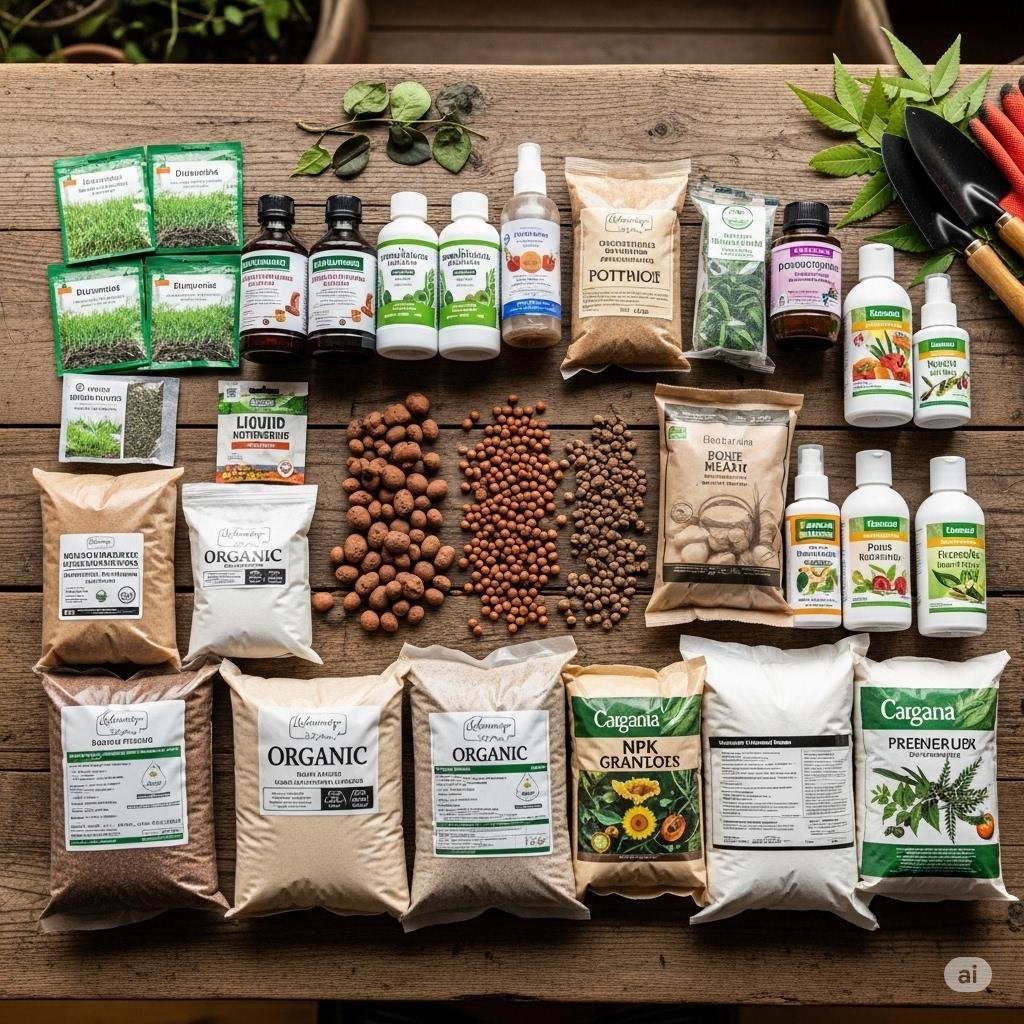
Benefits of Using Quality Agricultural Products
Using premium agricultural products isn’t just about increasing yields—it also improves the overall health of your farm.
Some major advantages include:
- Higher crop production
- Better fruit size and quality
- Improved soil fertility
- Stronger resistance to pests and diseases
- More efficient nutrient use
- Reduced farming losses
- Increased profitability
- Healthier and more uniform crops
- Better market value for produce
- Long-term sustainability
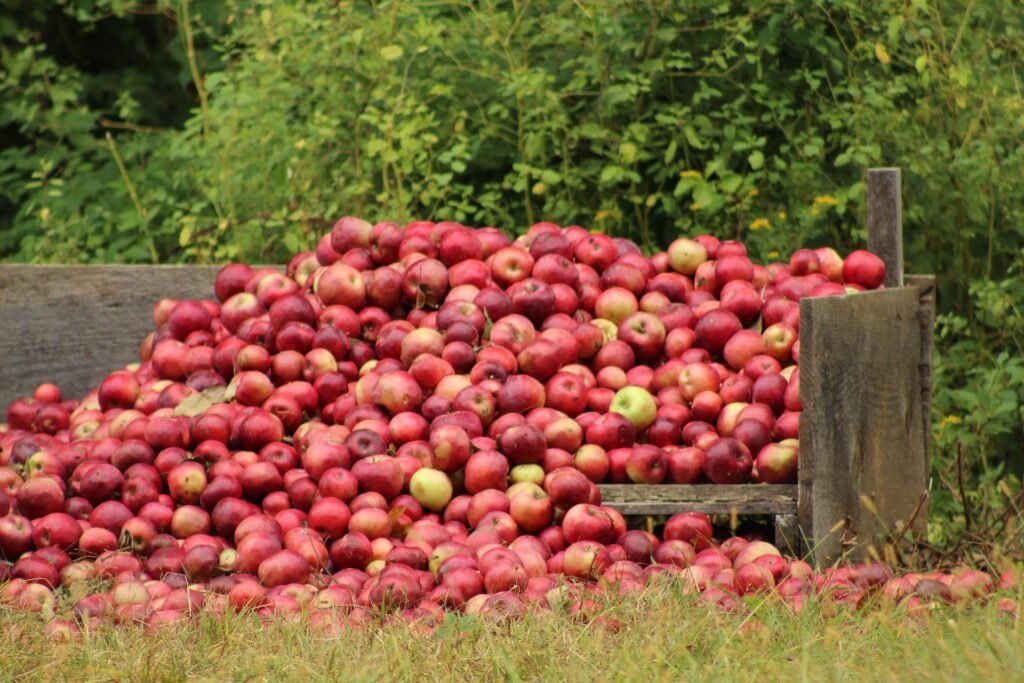
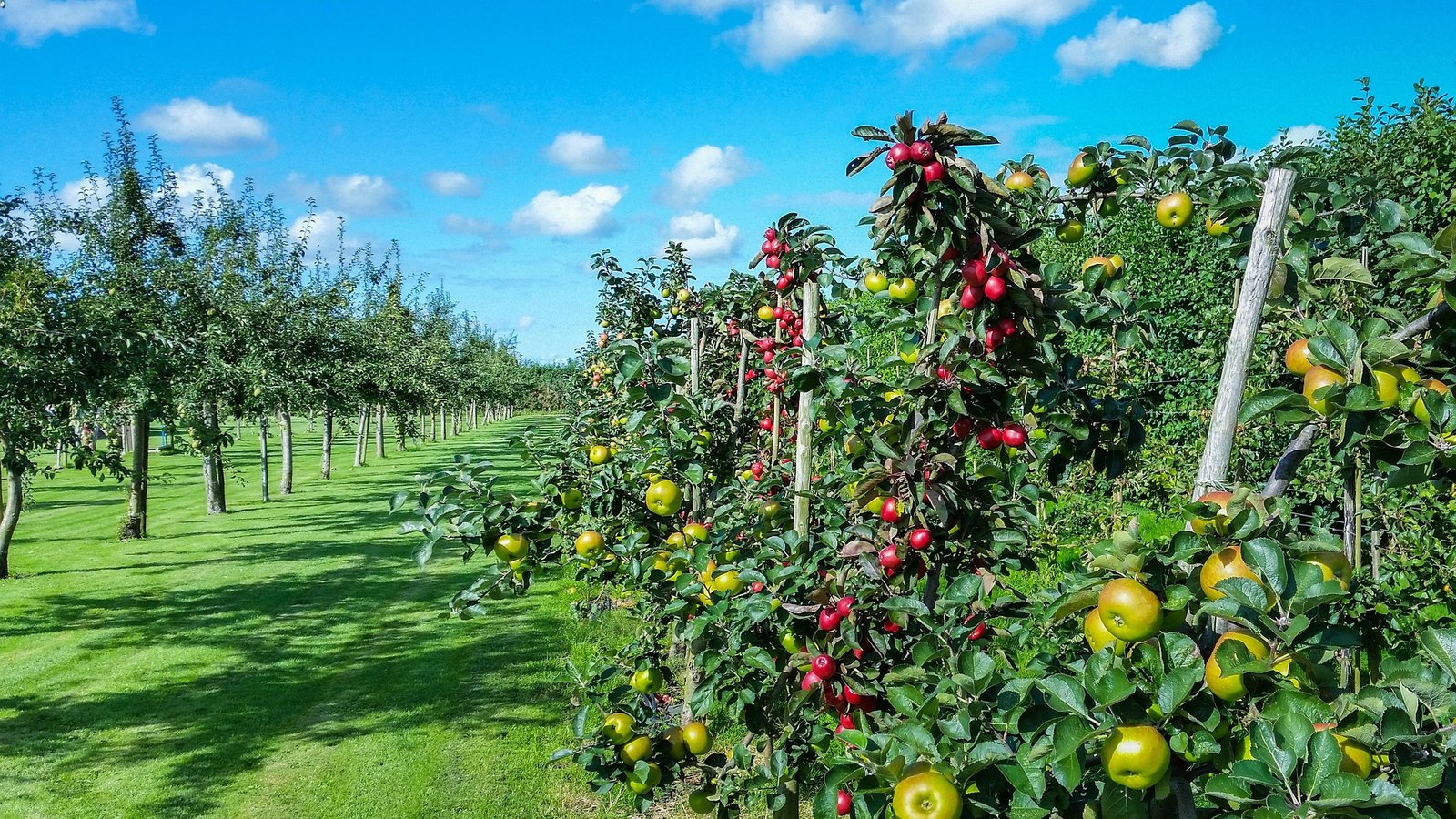
For orchard owners, vegetable growers, and commercial farmers, investing in quality agricultural products often leads to better returns over time.
How to Choose the Right Agricultural Products
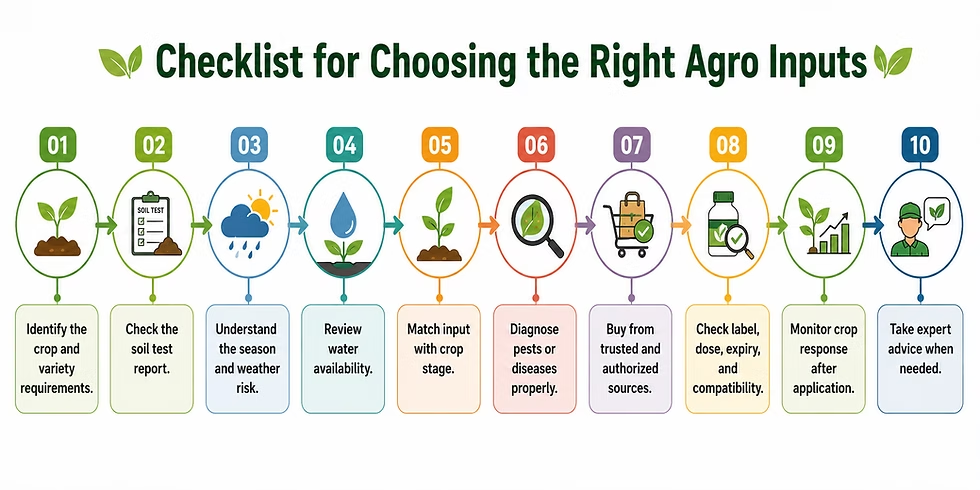
Buying agricultural products is not just about choosing the most popular brand or the cheapest option. Every farm is different, and the right product depends on your crop, soil, climate, and farming goals.
Making informed decisions can save money, improve crop health, and increase your harvest.
1. Understand Your Crop’s Needs
Every crop requires different nutrients and protection.
For example:
- Apple orchards need balanced fertilizers, calcium, boron, fungicides, and plant growth regulators.
- Vegetable crops often require frequent nutrient applications and strong pest management.
- Wheat and rice mainly need nitrogen-rich fertilizers during early growth.
Using products designed for your crop gives better results than using the same solution everywhere.
2. Test Your Soil First
Many farmers apply fertilizers without knowing what their soil actually needs.
A soil test tells you:
- Soil pH
- Organic matter
- Nutrient availability
- Micronutrient deficiencies
This helps avoid unnecessary expenses and prevents nutrient imbalance.
Tip: Test your soil every 2–3 years for better fertilizer planning.
3. Buy Quality Products
Always purchase products from trusted agricultural suppliers.
Good-quality products usually provide:
- Better effectiveness
- Reliable results
- Clear usage instructions
- Proper quality standards
Cheap, low-quality products may cost less initially but often reduce crop performance.
4. Follow the Recommended Dosage
Using more product does not always mean better results.
Overuse can:
- Burn crops
- Reduce fruit quality
- Increase production costs
- Harm beneficial microorganisms
- Pollute the environment
Always follow the label instructions or consult an agricultural expert.
Agricultural Products for Different Crops
Different crops require different farming practices. Here’s a quick guide.
Apple Orchards
Apple farming requires balanced nutrition throughout the growing season.
Essential agricultural products include:
- Water-soluble fertilizers
- Calcium supplements
- Boron
- Zinc
- Fungicides
- Insecticides
- Plant Growth Regulators (PGRs)
- Bio fertilizers
These products help improve:
- Flowering
- Fruit setting
- Fruit size
- Color development
- Shelf life
- Disease resistance
Vegetable Crops
Vegetables grow quickly and require regular care.
Recommended products include:
- Hybrid seeds
- Balanced NPK fertilizers
- Micronutrients
- Bio fertilizers
- Insecticides
- Fungicides
Benefits include:
- Uniform growth
- Better color
- Higher production
- Improved quality
Field Crops
For crops such as wheat, maize, rice, and pulses, farmers should focus on:
- Seed treatment
- Basal fertilizers
- Weed management
- Pest control
- Balanced nutrition
This improves crop establishment and maximizes yield.
Common Mistakes Farmers Should Avoid
Even experienced farmers sometimes make mistakes that reduce production.
Avoid these common errors:
Applying Too Much Fertilizer
Extra fertilizer doesn’t guarantee extra yield.
Instead, it may:
- Damage roots
- Increase production costs
- Reduce soil quality
Ignoring Micronutrients
Many farmers focus only on NPK fertilizers.
However, deficiencies in zinc, boron, calcium, or magnesium can significantly reduce crop quality.
Mixing Chemicals Without Guidance
Not every agricultural product is compatible.
Improper mixing can:
- Reduce effectiveness
- Damage crops
- Cause chemical reactions
Always check compatibility before tank mixing.
Spraying at the Wrong Time
Spraying during strong sunlight or before heavy rainfall reduces effectiveness.
The best time is usually:
- Early morning
- Late afternoon
- Calm weather conditions
Using Expired Products
Expired products may lose their effectiveness.
Always:
- Check manufacturing dates
- Store products correctly
- Dispose of expired products safely

Safe Storage and Application Tips
Proper storage keeps agricultural products effective and safe.
Storage Tips
- Store products in a cool, dry place.
- Keep them away from direct sunlight.
- Never store pesticides near food or animal feed.
- Keep products in their original containers.
- Lock storage areas away from children and pets.
Application Tips
- Wear gloves, masks, and protective clothing.
- Read the label carefully before use.
- Use clean spraying equipment.
- Measure products accurately.
- Wash equipment after spraying.
Safe handling protects both farmers and the environment.
Why Modern Farmers Prefer Advanced Agricultural Products
Agriculture has changed significantly over the last decade.
Today’s farmers rely on advanced products because they offer:
- Better efficiency
- Faster nutrient absorption
- Improved crop quality
- Higher yields
- Reduced labor
- Better disease management
- Sustainable farming practices
Modern agriculture is no longer about using more products—it’s about using the right products at the right time.
Frequently Asked Questions (FAQs)
What are agricultural products?
Agricultural products are materials and farming inputs such as seeds, fertilizers, pesticides, bio-products, micronutrients, and plant growth regulators that help farmers grow healthy crops.
Which agricultural products are most important?
The essentials include:
- Seeds
- Fertilizers
- Crop protection products
- Micronutrients
- Bio-products
- Plant Growth Regulators
The exact choice depends on the crop and growing conditions.
Are organic agricultural products better?
Organic products improve soil health and support sustainable farming. However, many farmers achieve the best results by combining organic practices with carefully selected modern agricultural inputs.
Why are micronutrients important?
Micronutrients help plants produce healthy flowers, stronger roots, and better-quality fruits. Even small deficiencies can affect crop performance.
How often should fertilizers be applied?
It depends on the crop, soil fertility, and fertilizer type. A soil test and crop-specific nutrient plan provide the most accurate schedule.
Can bio-products replace chemical fertilizers completely?
Bio-products improve soil health and nutrient availability, but in many farming systems they work best alongside balanced fertilizer programs rather than replacing them entirely.
Final Thoughts
Agricultural products are the backbone of successful farming. From selecting high-quality seeds to applying the right fertilizers and protecting crops from pests and diseases, every decision affects the final harvest.
Modern farming is not about using more products—it is about making smarter choices. By understanding your crop’s needs, testing your soil, and selecting reliable agricultural inputs, you can improve productivity while maintaining healthy soil for future seasons.
Whether you’re managing a small vegetable farm or a large apple orchard, investing in quality agricultural products helps produce healthier crops, better yields, and stronger returns year after year.

Why Choose AgriPeaks?
At AgriPeaks, we understand farming because we are farmers from Himachal Pradesh ourselves. We work with both traditional and modern apple cultivation systems, giving us practical knowledge of the challenges growers face throughout the season.
Our goal is to provide trusted agricultural products and expert guidance that help farmers:
- Improve crop health
- Increase yields
- Enhance fruit quality
- Protect orchards from pests and diseases
- Adopt sustainable farming practices
Whether you need fertilizers, fungicides, insecticides, herbicides, bio-products, plant growth regulators (PGRs), micronutrients, or seeds, AgriPeaks is committed to supporting your farming journey with reliable solutions and practical advice.
Grow smarter. Harvest better. Farm with confidence—choose AgriPeaks.